Eclectic Culture · March 31, 2026
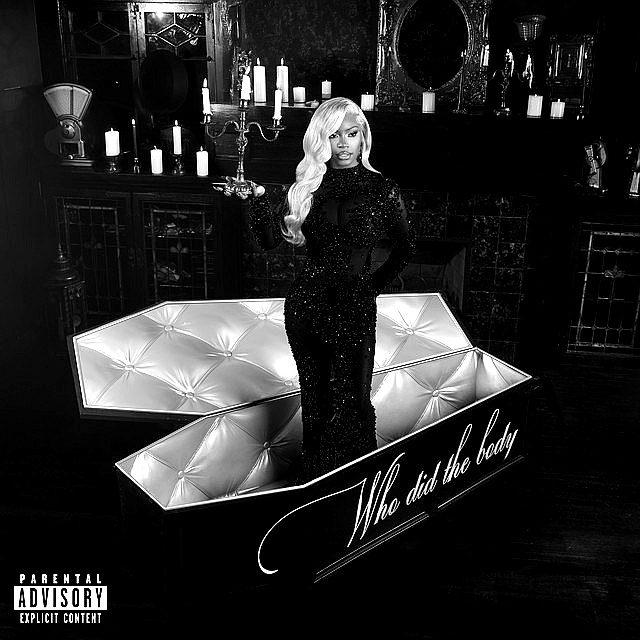
Who Did The Body?
As a native Texan, I have a natural affinity for Houston's rap girlies, and Monaleo is no exception. Here are five moments from her latest album that made my curious, slightly morbid heart smile.
As a native Texan, I have a natural affinity for Houston's rap girlies, and Monaleo is no exception. Her music showcases her intelligence and wit through incredible wordplay, and her storytelling is truly captivating. What she shares about her personal journey with mental health, including her openness regarding depression and suicidality, reveals a vulnerability that is just as powerful as her confidence. When I listened to her latest release, Who Did The Body?, I immediately knew I wanted to unpack it.
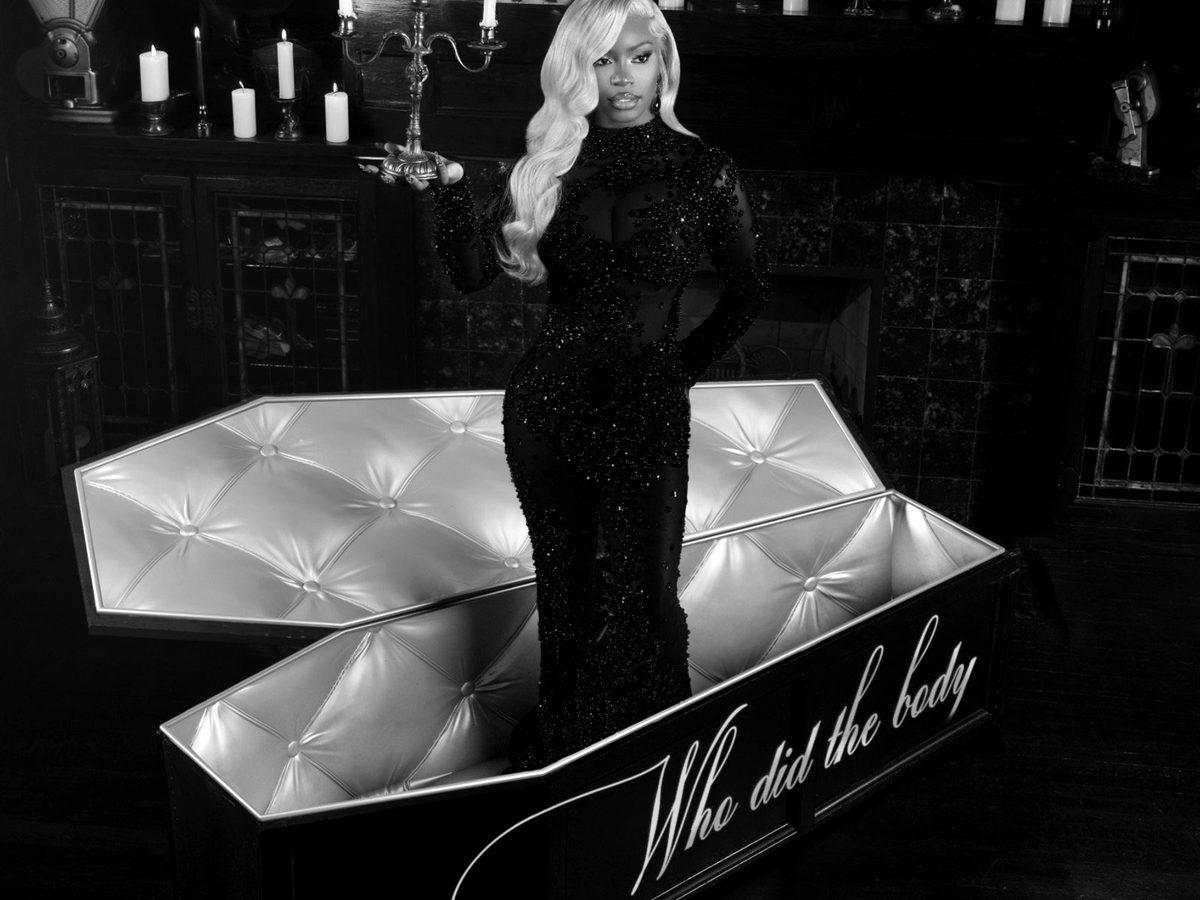
What makes this album special to me is seeing a young Black woman tackle the search for meaning and life's darkest, yet most profound questions so openly. Conversations about death, doubt, and what happens after we die can often feel off limits. While there is real beauty and validity in seeking solace in faith and spirituality, as quiet as it is kept, people doubt and question far more often than we like to realize.
I know this reality well because I have lived it. I remember taking a world religion class that opened up so many questions for me. I felt not only fear and overwhelm but a deep sense of shame when I would bring those questions to the people of faith I looked up to. It felt like my curiosity was a betrayal of my faith, my community, or my upbringing.
That experience shaped how I show up as a therapist today. I understand how lonely and scary it feels to carry questions that you have been told you should already have the answers to. Because of that, I strive to provide a space of curiosity and non-judgment where the process of meaning making can be deeply personal rather than just something we have been conditioned to accept.
Therapy is incredibly helpful because it validates that uncertainty. It allows us to move past inherited scripts and find a version of the truth that actually resonates with us, if that is what we want. There is also immense value in sitting with the unknown instead of rushing to resolve it. That willingness to ask questions without demanding immediate answers, and learning to stay present in our discomfort, actually builds our capacity to handle life's hardest moments. It makes us more resilient in the face of the unknown.
Monaleo effortlessly embraced that space by channeling her raw honesty through creativity (and bops). Here are five moments from the album that made my curious, slightly morbid heart smile.
"It's a lot of people wondering, but they scared to ask it / When it's all said and done, what the f*ck happens?"
Life After Death
A valid AF question. We live under so much pressure to perform certainty that we forget it is okay to simply wonder about the unknown.
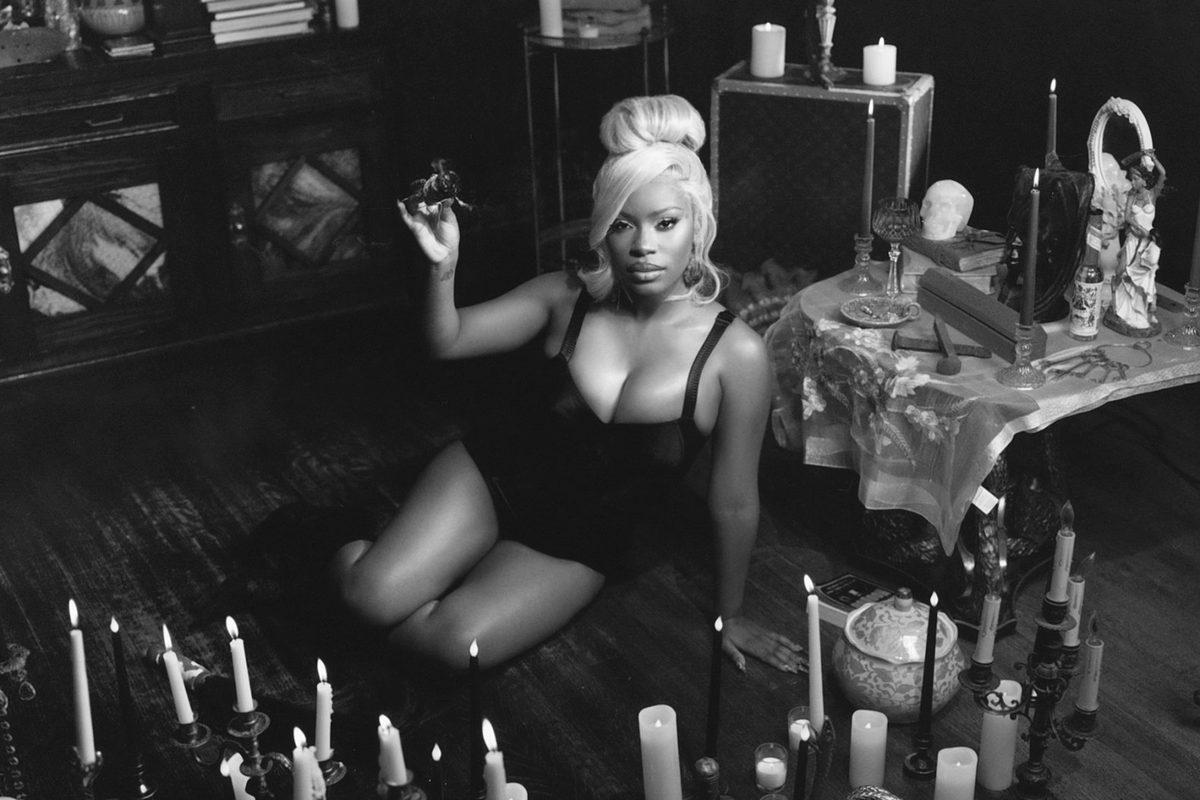
"You gotta cook and clean and wash everything / You got a roof over your head, what more do you need? / For the longest those words have been following me / So much so as an adult I forgot I had needs"
Diary of an OG
Whew, Strong Black Woman trope anyone? While we can be thankful for the ways we learned to survive, you also have permission to exist beyond your usefulness.
"Just 'cause you turn the other cheek, ni99a that don't make you no hoe, listen"
Tamron Hall
It sounds like Monaleo has practiced the sacred pause before responding. Sometimes your peace is more important than their provocation.
"What about everything, that I did in my life? Will it be forgotten, as soon as I die?"
Dignified
If someone brought this to me in a session, I would ask what these questions mean for them in the now. We often get caught up in the legacy we are building, but your worth is happening right now in the present. You do not have to earn the right to be remembered. You are enough in the living of it.
"Black bitch, but the purse Murakami / These black-ass roots go beyond me / You never supposed to put your purse on the ground / But I'm slammin' this coin purse on the concrete"
Sexy Soulaan
A bold and beautiful reminder that while the process of making meaning is personal, you are standing on the shoulders of giants. That legacy and resilience is not only welcome in the therapy space but celebrated and used as a source of strength.

If you are wrestling with life's big questions, navigating spiritual doubt, or learning how to sit with the unknown, you don't have to figure it all out alone. To learn more about how we can work together to honor your full story, explore my approach to therapy for complex trauma, grief, perfectionism, and burnout, or reach out to schedule a consultation.
Taylor Hines is the founder of Eclectic Counseling and an LPC-Associate supervised by Bri Liu, LPC-S. Based in Austin, Texas, she specializes in culturally grounded care for Black women and women of color seeking a culturally responsive therapist in Austin who truly sees them.
This is general information, not therapeutic advice. If you are in crisis, please contact the 988 Suicide & Crisis Lifeline.